
peptides Australia
peptides Australia

peptides Australia
peptides Australia
peptides Australia
peptides Australia
peptides Australia
peptides Australia
peptides Australia
peptides Australia

peptides Australia
peptides Australia
1. What Are Peptides? (Definition + Basics)
Peptides are short chains of amino acids — the smaller versions of proteins that your body uses to regulate processes. They act as messengers between cells, helping control functions such as immune response, hormone signaling, muscle repair, and fat metabolism.
Peptide vs Protein:
| Feature | Peptides | Proteins |
|---|---|---|
| Length | Short chains (2–50 amino acids) | Long chains (50+ amino acids) |
| Function | Signaling, regulation | Structural, metabolic |
| Absorption | Often easier | Broken down first |
| Examples | Insulin, GLP‑1 molecules | Collagen, actin, enzymes |
✔️ Peptides are naturally produced in the body.
✔️ Some peptides are used as medicines, others as supplements or skincare ingredients.
2. How Peptides Work (Science Explained)
Peptides function mainly by binding to receptors on cell surfaces, triggering biological responses. For example:
- A peptide might signal muscle cells to repair
- Another may tell skin cells to produce collagen
- Others affect hormones that influence metabolism
Every peptide has a specific target and effect. This is why peptides are different from generic protein supplements like whey or plant protein.
3. Types of Peptides (With Examples)
There are many peptide types, but they generally fall into these groups:
Table: Common Peptide Types & Uses
| Peptide Type | Primary Use | Examples |
|---|---|---|
| Therapeutic Peptides | Treated as medicine | Insulin, GLP‑1 drugs |
| Cosmetic Peptides | Skincare & anti‑aging | Palmitoyl peptide, collagen peptides |
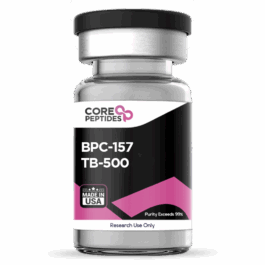
| Fitness/Performance | Muscle, recovery (not fully proven) | BPC‑157, TB‑500 |
| Research Peptides | Lab studies, not for human use | Many experimental peptides |
| Signaling Peptides | Internal communication | Hormone‑related peptides |
✨ Note: Some peptides listed in the “fitness” category are not approved or legally permitted for human consumption in Australia.
4. Benefits of Peptides (Pros Explained)
4.1. Medical Benefits (Evidence‑Based)
Some peptides are medically recognized and prescribed by doctors:
⭐ Weight & Metabolic Support
Certain GLP‑1 receptor agonist peptides help regulate appetite, blood glucose, and weight metabolism.
⭐ Diabetes Management
Peptides like insulin are essential for controlling blood sugar levels.
⭐ Hormonal Regulation
Some peptides help balance hormones for medical conditions.
| Medical Benefit | Peptide Example | Evidence Level |
|---|---|---|
| Blood glucose control | Insulin peptides | High |
| Weight management | GLP‑1 peptides | High |
| Hormone balance | Specific hormone‑related peptides | Moderate to High |
4.2. Cosmetic & Skin Benefits
Peptides are increasingly popular in skincare because they may:
✔️ Support collagen production
✔️ Improve skin elasticity
✔️ Reduce the appearance of fine lines
✔️ Enhance moisture retention
| Cosmetic Benefit | How It Works |
|---|---|
| Firmer skin | Signals cells to produce collagen |
| Smoother texture | Enhances repair mechanisms |
| Hydration | Supports skin barrier functions |
These benefits are more associated with topical peptide formulas (creams, serums), not injections.
4.3. Fitness & Recovery Claims
Many peptides are marketed for:
- Enhanced muscle growth
- Faster recovery
- Better joint support
However, scientific evidence for these claims is limited or not yet proven.
⚠️ Most performance peptides have not been legally approved or thoroughly studied in humans.
5. How Peptides Are Used (Common Applications)
Medical Use
Peptides prescribed by physicians include:
- Diabetes management drugs
- Hormone therapy
- Certain metabolic treatments
These are regulated and backed by clinical trials.
Skincare Use
Peptides appear in:
- Anti‑aging creams
- Moisturizers
- Serums
These products are widely available and regulated as cosmetic ingredients.
Fitness & Bodybuilding (Controversial)
Some peptides are claimed to aid muscle growth or recovery — but many lack credible research.
⚠️ Many of these peptides are marketed online and may be labeled “for research only,” meaning they are not approved for human use.
6. Legal Status of Peptides in Australia
Understanding legality is critical. Australia strictly regulates peptides based on their risk and purpose.
How the Law Works (TGA & Poisons Standard)
The Therapeutic Goods Administration (TGA) controls peptide availability in Australia. Peptides are classified under the Poisons Standard, which determines whether they are prescription‑only or prohibited.
| Classification | Definition | Availability |
|---|---|---|
| Schedule 4 (S4) | Prescription‑only medicine | Legal with a prescription |
| Schedule 8 (S8) | Controlled drug | Strict prescription |
| Unscheduled / Cosmetic | Safe for general use | Legal in skincare/supplements |
| Research‑Only | Not approved for human use | Cannot be supplied for personal use |
👉 Most fitness or performance peptides fall under “not approved for human use.”
This means:
❌ Selling or importing unapproved peptides without a prescription is illegal.
❌ Using them for bodybuilding or aesthetic purposes can lead to legal issues.
7. Scientific Evidence & Effectiveness
Here’s where the science stands:
Clinically Supported Peptides
| Use | Peptides with Evidence | Effectiveness |
|---|---|---|
| Diabetes | Insulin derivatives | Strong |
| Blood glucose & weight | GLP‑1 peptides | Strong |
| Skin elasticity | Some collagen peptides | Moderate |
| Joint support | Collagen peptides | Moderate |
Limited or Unproven Evidence
| Claim | Peptide | Status |
|---|---|---|
| Muscle growth | BPC‑157, TB‑500 | Not proven in humans |
| Performance enhancement | Various peptides | Insufficient data |
| Injury repair | Some experimental peptides | Limited evidence |
⚠️ Peptides marketed with bold performance claims often lack proper human trials.
8. Benefits & Risks (Balanced View)
Key Benefits (Pros)
✔️ Medical peptides have proven health uses
✔️ Some peptides support skin health and appearance
✔️ They can be targeted and specific in action
Main Risks (Cons)
❌ Many peptides sold online lack quality control
❌ Side effects may be unpredictable
❌ Legal penalties may apply for unapproved use
❌ Long‑term effects are often unknown
9. How to Use Peptides Safely in Australia
Step‑by‑Step Guide
- Consult a qualified Australian doctor
Only a medical professional should prescribe therapeutic peptides. - Avoid products labeled “research‑use only”
These are not legal for human use. - Check the Australian Register of Therapeutic Goods (ARTG)
Approved medicines are listed here. - Read labels carefully
Understand whether a product is cosmetic, therapeutic, or unapproved. - Don’t self‑inject peptides without medical supervision
10. Top Peptide Use Cases in Australia
Here are the most legitimate peptide applications:
10.1. Diabetes Treatment
Peptides like insulin analogues are vital medicines for people with diabetes. They manage blood sugar and support long‑term health.
10.2. Weight & Metabolic Support
GLP‑1 peptides help regulate appetite and blood glucose — often used by people with type 2 diabetes or obesity under medical guidance.
10.3. Skincare & Collagen Support
Cosmetic peptides are legal and widely used for collagen support, elasticity, and hydration.
11. Common Myths vs Facts
| Myth | Reality |
|---|---|
| Peptides are a “magic solution” for fat loss | Only some are clinically effective |
| All peptides are safe because they’re natural | Not all are safe without approval |
| Skincare peptides are the same as injectable ones | They work differently |
| You can buy any peptide online legally | In many cases, no |
12. Examples of Safe (Legal) Peptide Products
Legal Classes
✔️ Prescription peptide medicines
✔️ Cosmetic peptide creams
✔️ Collagen supplements
What to avoid
❌ Injectable peptides sold “for research only”
❌ Unapproved weight‑loss peptide products
❌ Muscle‑growth peptides without clinical validation
13. Future of Peptides in Australia
Peptides are an emerging field, and research continues:
📌 Researchers are studying new therapeutic uses
📌 More evidence may emerge about skin and healing benefits
📌 Regulators continue to update safety rules
This means the landscape today is strict, but science may support new advancements tomorrow.